During a dental checkup, you likely hear the words “plaque” and “tartar” used quite a bit. While they are closely related, they are not the same thing. Knowing the difference between the two—and how they impact your mouth—can completely change how you approach your daily brushing and flossing routine.
What is Plaque? (The Soft Enemy)
Plaque is a sticky, colorless film of bacteria that constantly forms on your teeth after you eat or drink. When the bacteria in plaque mix with the sugars and carbohydrates in your food, they produce acids. These acids attack your tooth enamel, eventually leading to cavities and irritating your gums. The good news? Plaque is soft and can be easily brushed and flossed away at home.
What is Tartar? (The Hardened Fortress)
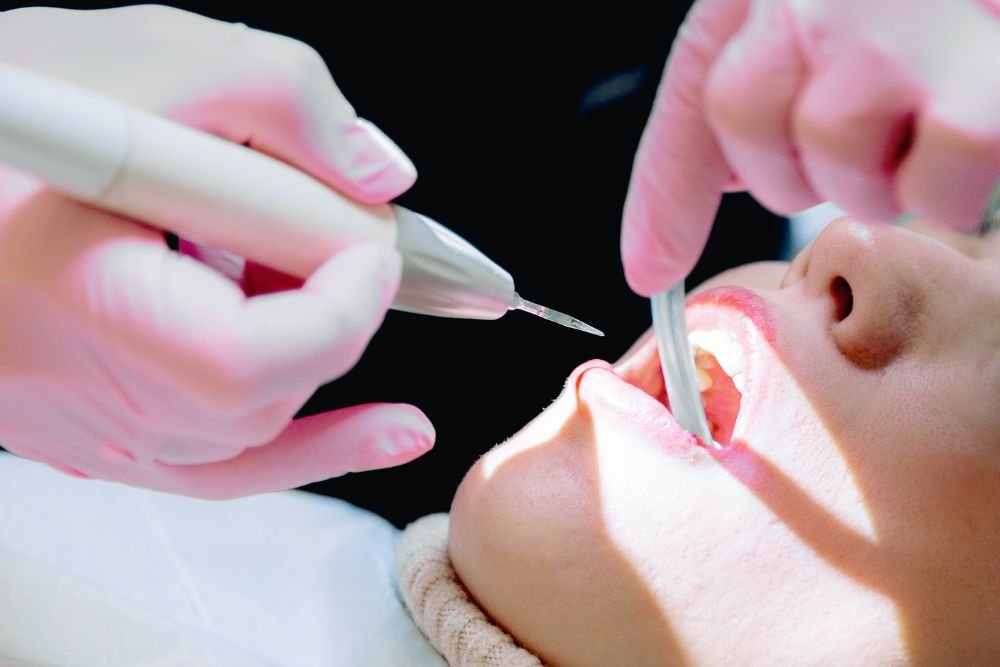
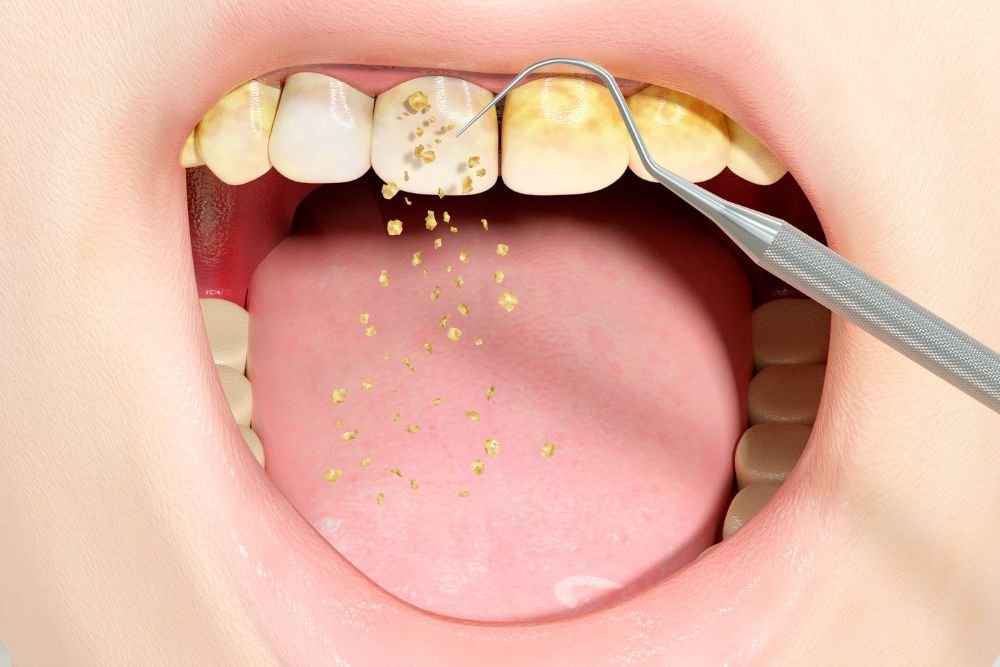
If plaque isn’t removed within 24 to 48 hours, it reacts with the minerals in your saliva and calcifies into a hard substance known as tartar (or dental calculus). Tartar acts like a shield for bacteria, making it even harder to clean your teeth. Unlike plaque, tartar is firmly bonded to your enamel and cannot be brushed away at home—it can only be safely removed by a dental professional using specialized tools.
How Buildup Damages Your Gums
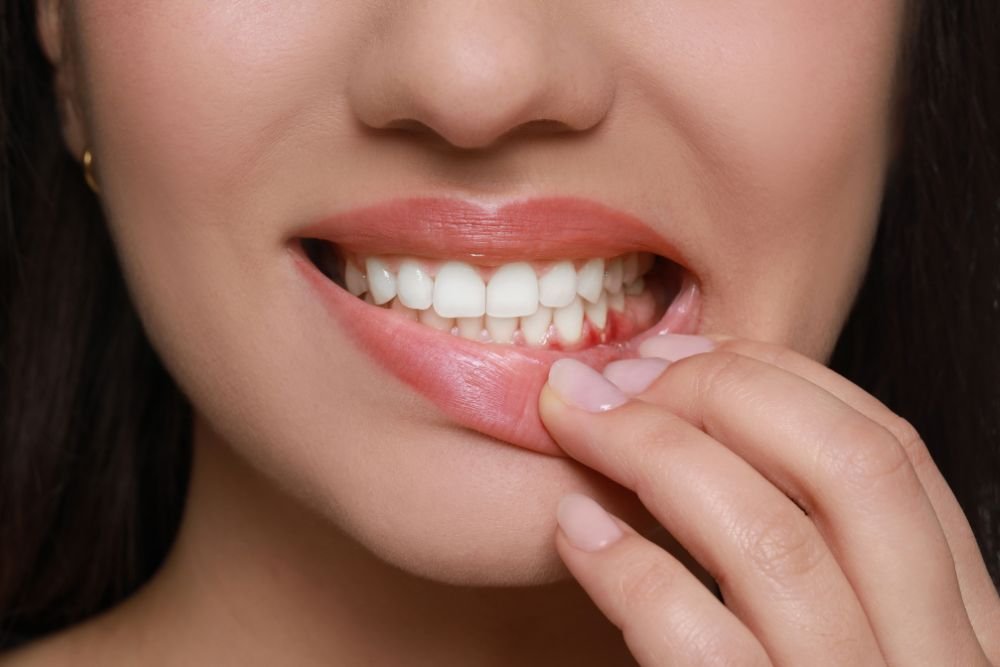
When tartar builds up along and below the gumline, it causes chronic irritation. This leads to the early stages of gum disease, known as gingivitis. If left untreated, the inflammation can worsen, leading to periodontics, which compromises the bone supporting your teeth.