
Social media platforms are full of creative DIY beauty and wellness tips. While hacks for styling hair or organizing a closet are harmless fun, trying out viral DIY dental treatments can lead to permanent damage.
Lately, we have seen a worrying rise in patients coming to All Smiles Dental Studio dealing with severe tooth sensitivity and permanently stripped enamel caused by internet trends. Let’s look at the science behind why these popular trends are so dangerous.
The Trap of Charcoal and Abrasive Toothpastes
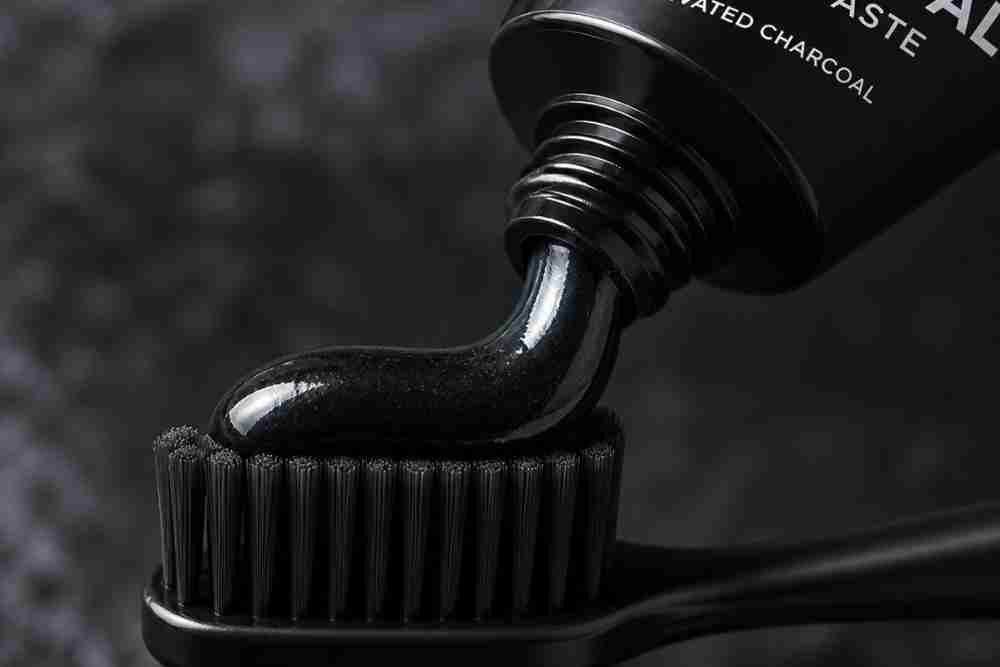
The trend of scrubbing teeth with activated charcoal powder or charcoal paste promises to lift dark surface stains instantly. While your teeth might look slightly brighter for a brief moment, charcoal is incredibly abrasive on a microscopic level.
Think of it like using sandpaper on a polished car door. The gritty powder scrubs away the outermost layer of your protective enamel.
Once that outer white shell thins down, the dark, yellow dentin layer beneath is exposed. Paradoxically, using charcoal long-term actually makes your teeth look more yellow and heavily stained, while leaving them highly sensitive to cold water.
Chemical Burns from Lemon Juices and Baking Soda
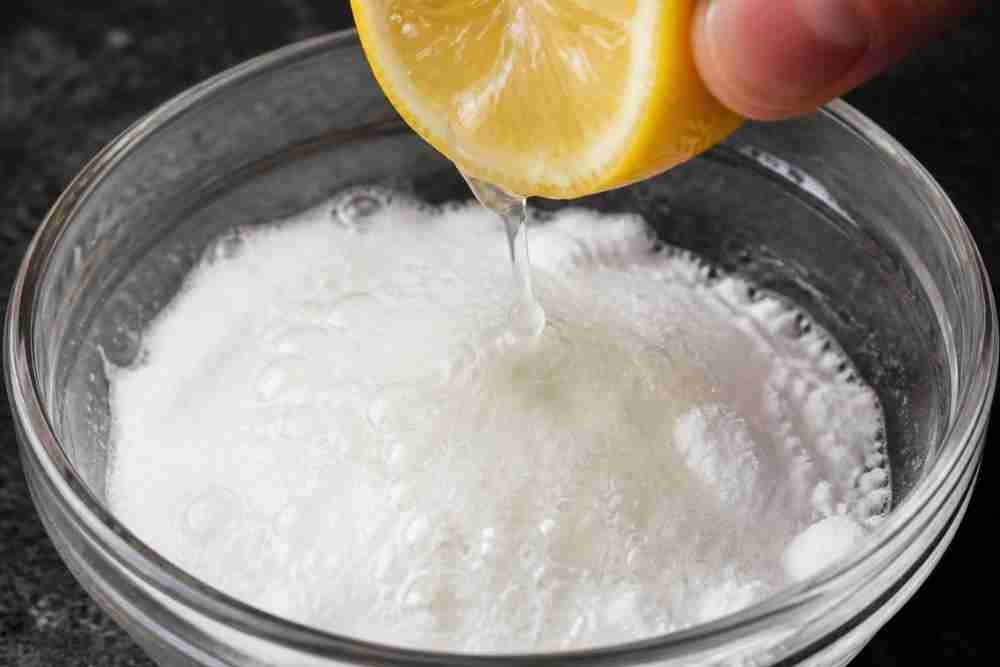
Another highly dangerous DIY mixture involves combining fresh lemon juice with baking soda to create a paste. The internet calls this a “natural stain eraser.”
In reality, lemon juice is highly acidic (with a dangerous pH of around 2.0). Applying an acid peel directly to your teeth chemically dissolves your enamel.
When mixed with abrasive baking soda, you are essentially dissolving and scrubbing your enamel simultaneously. This can lead to chemical burns on your soft gum tissues.
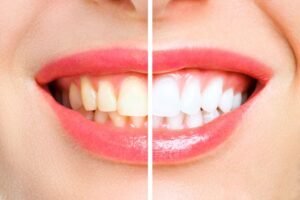
Safe, Professional Alternatives If you want a brighter, more radiant smile, don’t rely on unverified online videos. Professional dental whitening formulas are specially buffered to keep the mouth’s pH safe, ensuring your teeth shift shades safely without stripping enamel or irritating sensitive nerves.
Conclusion:
Trust Science, Protect Your Enamel Your tooth enamel cannot regenerate once it is lost. Treat it with care and rely on professional, evidence-based methods.