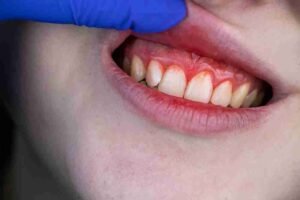

When you brush or floss your teeth, noticing a tinge of red or pink in the sink can be alarming. A common, mistaken reaction is to stop flossing entirely, assuming that the physical thread is cutting or damaging the tissue. However, healthy gums should never bleed during a normal routine. At All Smiles Dental Studio, we want to help you decode what your body is trying to tell you when your gums start bleeding.
The Primary Culprit: Gingivitis
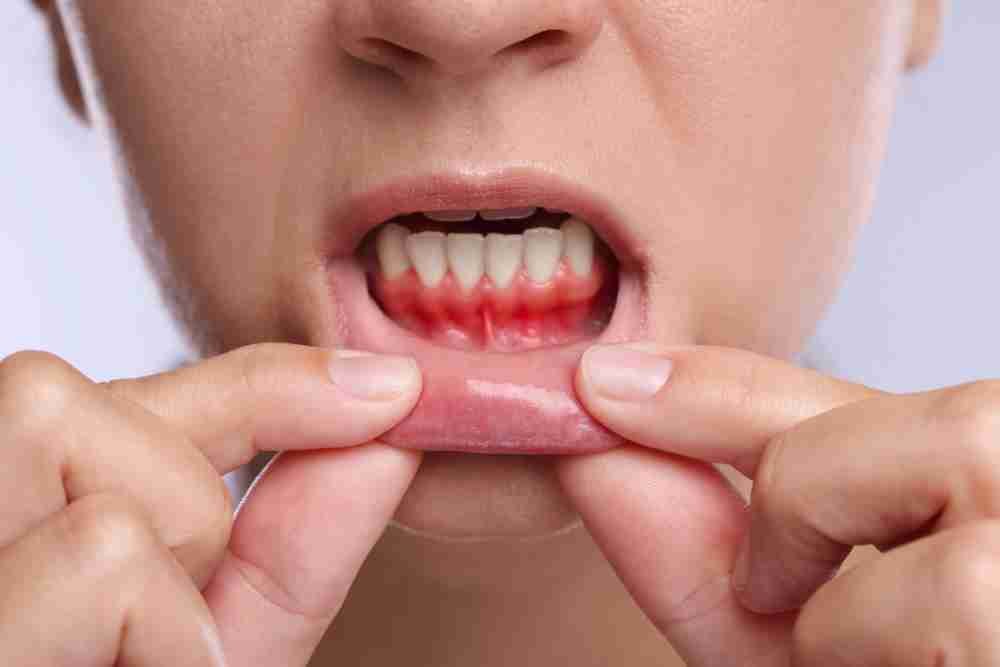
In the vast majority of cases, bleeding gums are the primary warning sign of gingivitis—the earliest stage of gum disease.
When plaque isn’t thoroughly cleaned away from the gumline, it hardens into a rough material called tartar. This crust constantly irritates the soft gum tissue, causing your body to flood the area with extra blood to fight the irritation.
This extra blood flow makes the tissue swollen, delicate, and highly prone to bleeding at the slightest touch.
Surprising Lifestyle Causes Beyond Plaque

Sometimes, bleeding gums can happen even if your brushing habits are perfect. Other common causes include:
- Using a “Hard” Toothbrush:Many people think that stiff, rigid bristles clean teeth better. In reality, firm bristles act like saws against soft tissue. Always choose a brush with soft or extra-soft bristles.
- Starting a New Flossing Routine:If you haven’t flossed in months and suddenly start again, your gums will be tender and bleed slightly for the first 5 to 7 days. This is normal. Once the plaque is cleared away, the inflammation will disappear and the bleeding will stop entirely.
- Certain Medications:Blood thinners, aspirin, and even some everyday blood pressure medications can make your tissues bleed more easily throughout your body, including your mouth.
Conclusion:
Bleeding gums are a message from your body telling you that a specific area needs attention. Ignoring the sign allows early inflammation to turn into irreversible bone damage.