
When you settle into the dental chair for a routine cleaning, you expect questions about flossing, cavities, or wisdom teeth. You might be incredibly surprised if your dentist looks in your mouth and asks: “Do you experience chronic snoring, or do you wake up feeling exhausted?”
It might seem like an unusual question for a dentist to ask, but dental professionals are actually on the front lines of diagnosing a serious sleep disorder called Obstructive Sleep Apnea (OSA).
What is Obstructive Sleep Apnea?
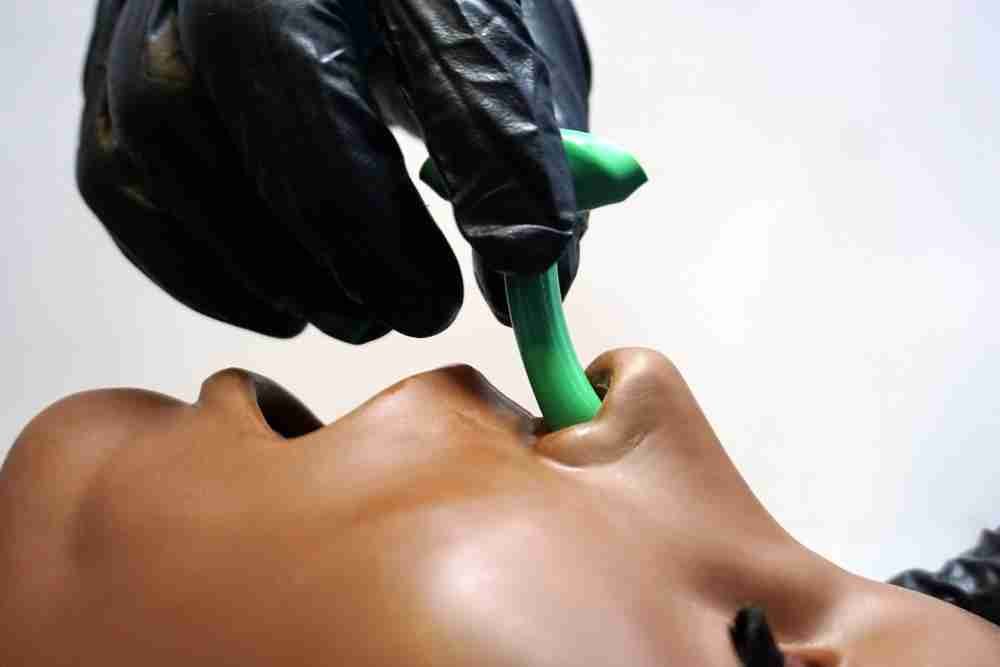
Sleep apnea occurs when the muscles and soft tissues at the back of your throat relax completely during sleep, causing them to collapse into your airway. This physical blockage stops your breathing for anywhere from a few seconds to over a minute, forcing your brain to wake up slightly to gasp for oxygen. This cycle can happen hundreds of times a night, preventing you from ever reaching deep, restorative sleep and putting immense strain on your heart.
The Visual Clues inside Your Mouth
Long before you visit a sleep clinic, your mouth leaves undeniable physical evidence of a nightly struggle for air. During a comprehensive exam, we look for these classic oral warning signs:
- Severe Teeth Grinding (Bruxism):When your airway collapses, your brain instinctively signals your jaw to clench and grind forward to physically reopen the throat. If your teeth are severely flattened or chipped, it’s often a sign of a nightly airway struggle.
- A Scalloped Tongue:If you have a narrow jaw or a large tongue, your tongue will constantly push hard against your teeth as you fight for breath, leaving wavy, indented ridges along its outer edges.
- An Enlarged Soft Palate or Narrow Airway:We physically examine the shape of your throat tissue (the Mallampati score) to see how likely it is to collapse when you lie flat.
- Unexplained TMJ Pain:The constant forward jaw movements used to open an obstructed airway overnight lead to severe morning fatigue and soreness in your jaw joints.
How All Smiles Dental Studio Can Help You Sleep Better
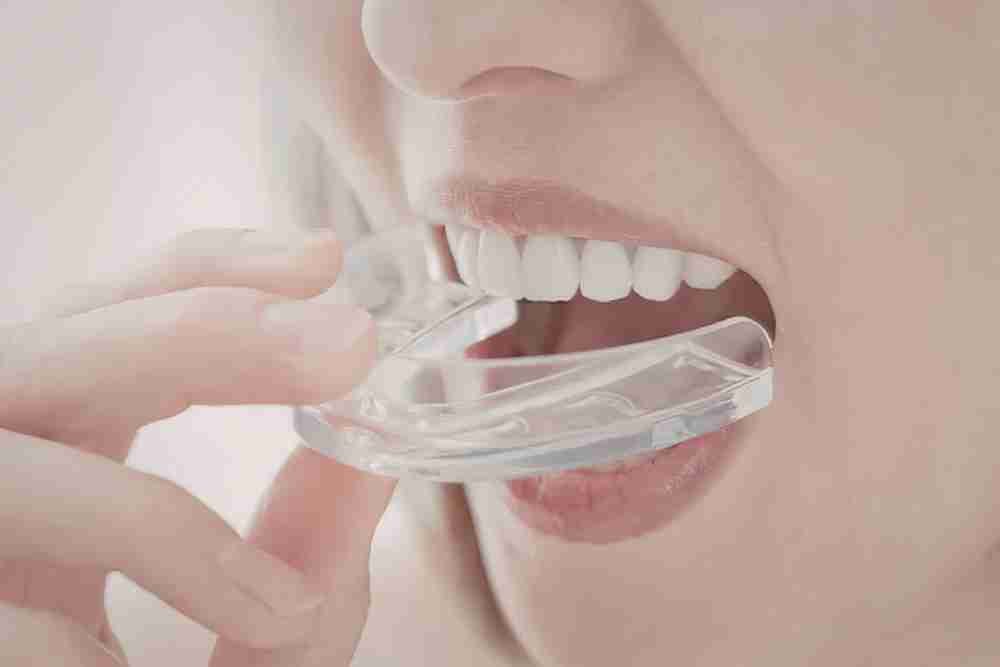
If you are diagnosed with mild-to-moderate sleep apnea and struggle with a loud, cumbersome CPAP machine, dentistry offers a highly comfortable, discreet alternative: Oral Appliance Therapy (OAT).
We custom-craft a slim, lightweight device that looks similar to a sports mouthguard. Worn only while you sleep, it gently holds your lower jaw in a slightly forward position, keeping your tongue clear and ensuring your airway stays completely open all night long.
Conclusion:
Breathe Easy, Smile Daily A great night’s sleep is vital for your brain, your heart, and your energy. Your dentist can help you unlock it.