
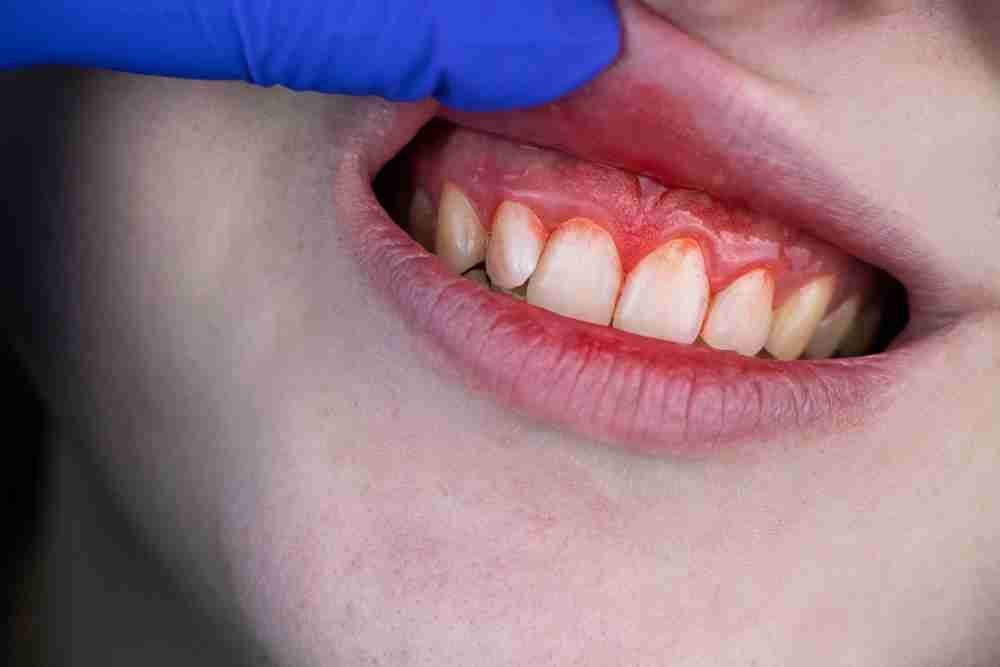
Gum disease is often called a “silent disease” because it can slowly develop without causing any significant pain in its early stages. Many patients assume that a little bit of blood in the sink when they floss is completely normal. However, catching gum issues early is the single most important factor in saving your teeth. Let’s look at how gum disease progresses and how we can stop it in its tracks.
Stage 1: Gingivitis (The Only Reversible Phase)

Gingivitis is the earliest stage of gum disease, caused by plaque buildup irritating the edge of your gumline. The classic symptoms are redness, puffiness, and bleeding when you brush or floss. The most important thing to know about gingivitis is that it is 100% reversible. Because the bacteria have not yet attacked the underlying bone, a professional clean coupled with excellent home care can restore your gums to perfect health.
Stage 2: Periodontitis (The Hidden Destruction)
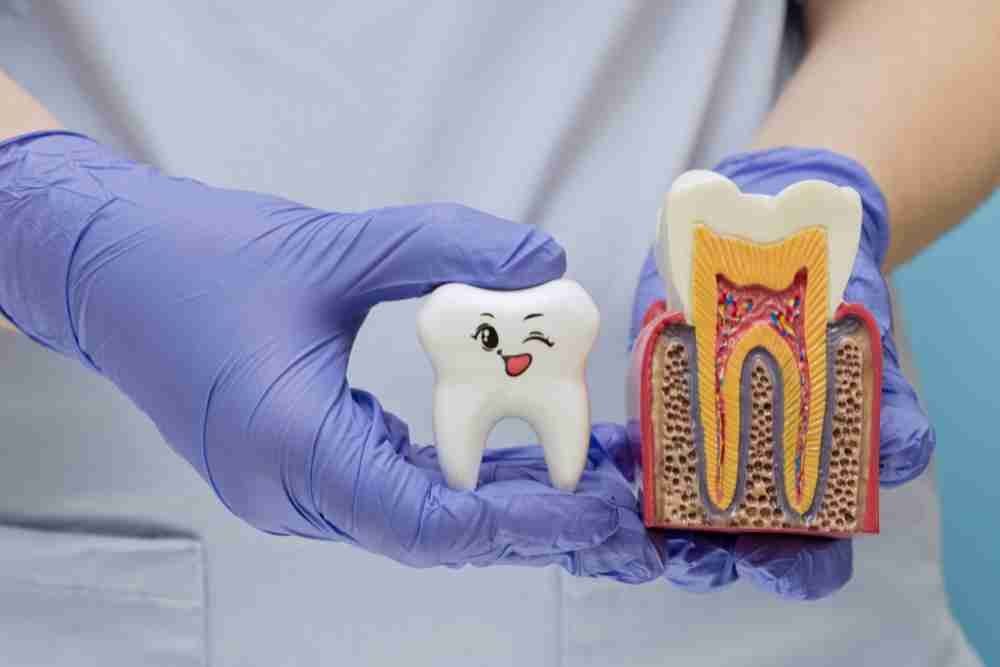
If gingivitis is ignored, it can progress to periodontitis. At this stage, the chronic inflammation causes the gums to pull away from the teeth, creating deep “pockets” where destructive bacteria hide. The bacteria begin to break down the underlying bone and connective tissue that hold your teeth in place. Periodontitis cannot be reversed, but it can be managed and halted through deep cleanings (root planing) performed by our dental team.
Stage 3: Advanced Periodontitis (Tooth Loss Risk)
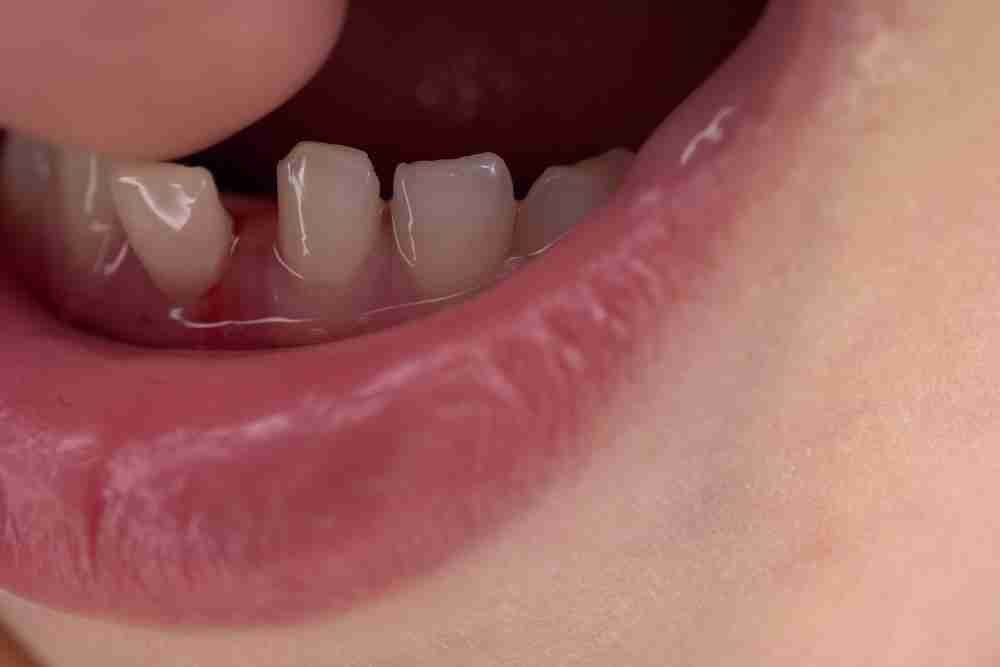
In the advanced stage of the disease, the fibers and bone supporting your teeth are largely destroyed. Your teeth may shift, become loose, or begin to hurt when you chew. Without immediate, intensive periodontal therapy or surgical intervention, the teeth may need to be extracted to protect the health of the rest of your jaw.