
When women experience major hormonal milestones—such as puberty, pregnancy, and menopause—they expect changes in their mood, energy levels, and sleep. What many don’t realize is that their mouth is one of the primary targets for these hormonal fluctuations. At All Smiles Dental Studio, we provide comprehensive, compassionate care tailored to women at every stage of life, ensuring your smile remains strong through every transition.
Pregnancy and the Rise of “Pregnancy Gingivitis”
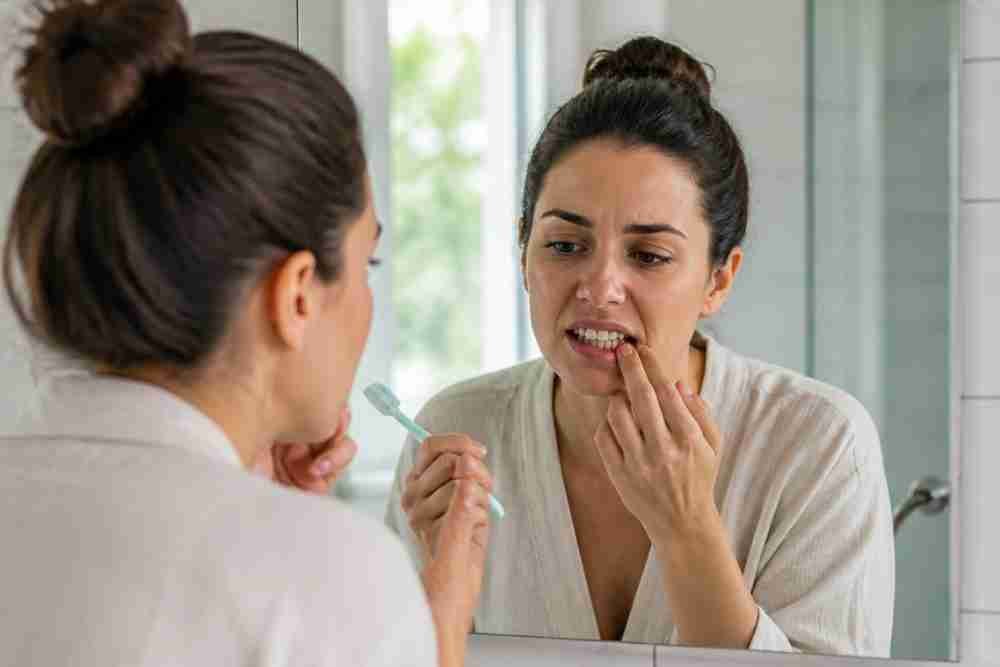
During pregnancy, your body experiences a dramatic surge in the hormones progesterone and estrogen. This hormonal spike alters the way your gum tissues react to the everyday plaque bacteria sitting on your teeth.
Even if your brushing routine hasn’t changed, this surge makes your gums significantly more sensitive, inflamed, and prone to bleeding. This condition is so common it has its own name: Pregnancy Gingivitis. It typically peaks during the second and third trimesters.
Why Prenatal Care Matters: Untreated, severe gum disease (periodontitis) during pregnancy has been clinically linked in medical studies to systemic complications, including pre-eclampsia, preterm birth, and low birth weight. Taking care of your gums actively protects your growing baby.
Morning Sickness and Enamel Care

If you struggle with morning sickness, the strong stomach acids associated with vomiting can coat your teeth and rapidly erode your protective enamel.
- The Golden Rule:Never brush your teeth immediately after vomiting. The enamel is temporarily softened by stomach acid, and scrubbing will scratch it away.
- The Safer Solution:Swish and rinse thoroughly with a mixture of warm water and a teaspoon of baking soda. The baking soda instantly neutralizes the stomach acid, protecting your teeth until it is safe to brush.
Menopause, Estrogen Loss, and Dry Mouth

On the other side of the hormonal journey, menopause brings a significant drop in estrogen production. This drop directly impacts the salivary glands, frequently leading to a condition called chronic dry mouth (xerostomia). As we know, a lack of saliva removes your mouth’s primary cleaning agent, making menopausal women much more vulnerable to sudden cavities, gum recession, burning mouth syndrome, and altered taste.
Conclusion:
Specialized Care for Every Chapter Your oral health needs evolve as your body changes. Staying ahead of hormonal shifts with proactive dental visits ensures a lifetime of healthy smiles.