When we think about physical fitness, we often think about gut health, probiotics, and keeping our digestive systems balanced. But did you know that an equally complex ecosystem lives right inside your mouth?
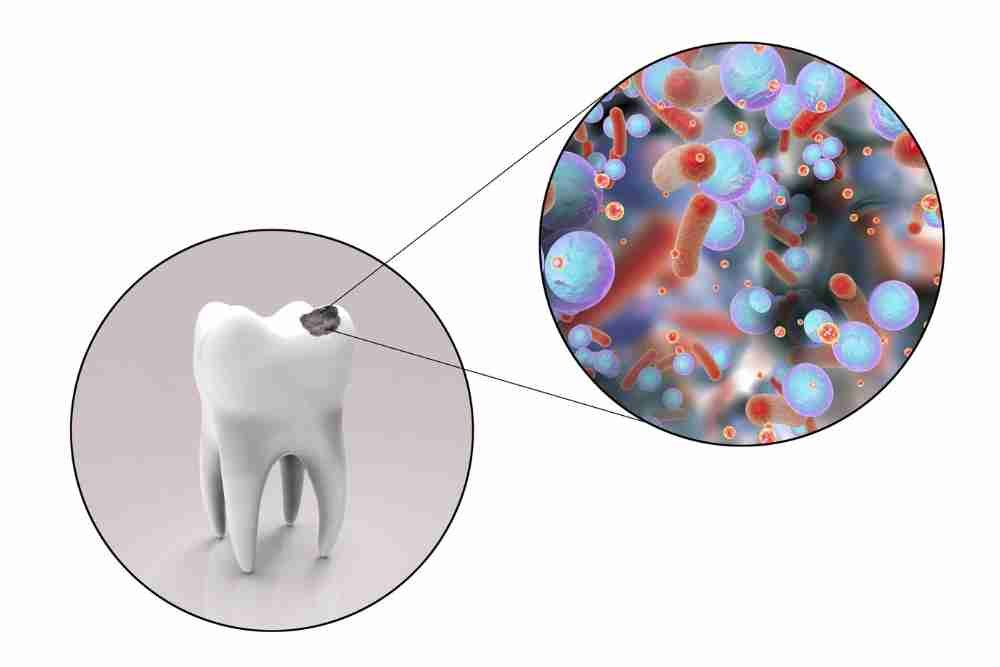
This environment is known as your oral microbiome. It is home to over 700 distinct species of bacteria, fungi, and viruses. At All Smiles Dental Studio, we want to help you understand this delicate world so you can work with your body to prevent disease.
The Good, the Bad, and the Biofilm
Not all microbes in your mouth are bad. In fact, millions of helpful bacteria act as a natural defense shield. They neutralize dietary acids, keep bad breath away, and start the digestion process.
However, problems arise when bad bacteria get the upper hand. When left undisturbed, these harmful bacteria link together to create a sticky, microscopic community called a biofilm—which you know as dental plaque.
The Plaque Trap: As the biofilm grows thicker, it consumes the sugars from your meals and excretes a highly concentrated acid. This acid sits directly against your teeth, slowly eating away the minerals in your enamel until a cavity forms.
Balancing the Ecosystem Naturally

You can’t—and shouldn’t—sterilize your mouth completely. Using harsh, alcohol-based mouthwashes can actually kill off the good bacteria, leaving room for resilient, hostile bacteria to take over. Instead, use these strategic steps to cultivate a healthy oral microbiome:
- Starve the bad bacteria:Switch out sticky, processed sweets for fibrous vegetables and calcium-rich foods that reinforce enamel.
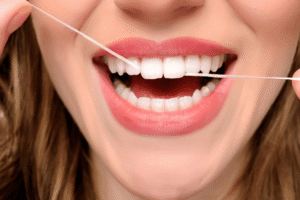
- Physically break up the biofilm:Flossing and brushing don’t just clear away food chunks; they physically disrupt the structure of the biofilm so it cannot anchor down and produce acid.
- Boost your saliva:Drink plenty of water to ensure your mouth stays rich in natural, antibacterial enzymes.
Conclusion:
A Healthier Balance By understanding that your mouth is a living ecosystem, your daily oral care routine shifts from a chore to a smart way to stay healthy.