We look at our teeth every day in the mirror, but most of us only think about the white surface we can see. In reality, a tooth is a complex, living organ with multiple layers, each playing a vital role in your oral health. At All Smiles Dental Studio, we believe that understanding how your teeth are built is the first step toward taking better care of them.
Enamel: Your Body’s Hardest Shield
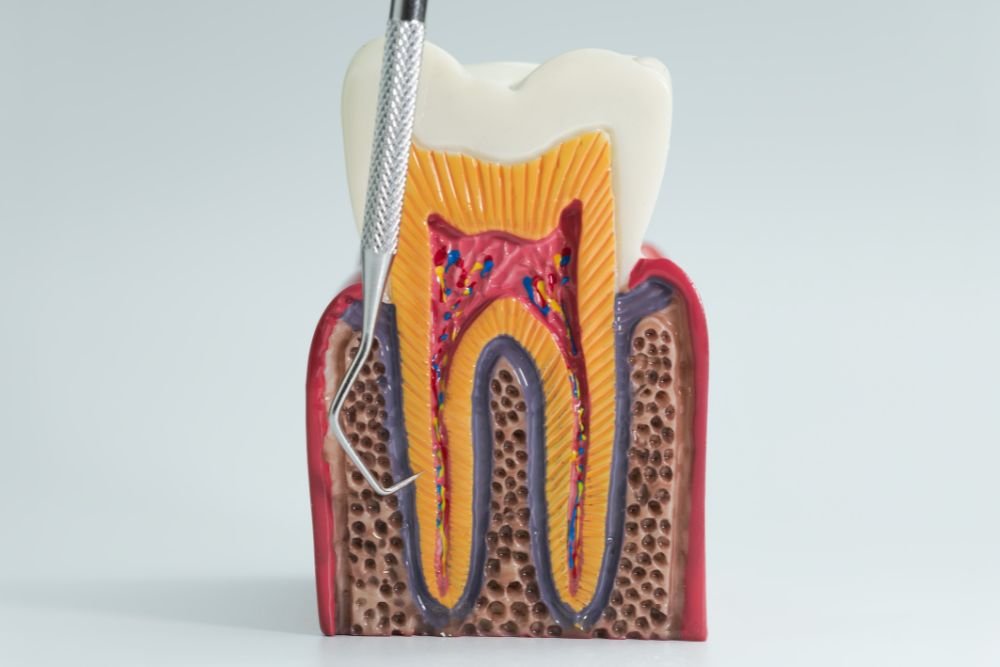
The outermost layer of your tooth is the enamel. Fun fact: enamel is the hardest substance in the human body—even harder than bone! It is a highly mineralized shell designed to protect the inner layers of the tooth from the daily wear and tear of chewing, biting, and acidic foods. However, because it has no living cells, once enamel is lost to decay or acid wear, your body cannot grow it back.
Dentin: The Shock Absorber
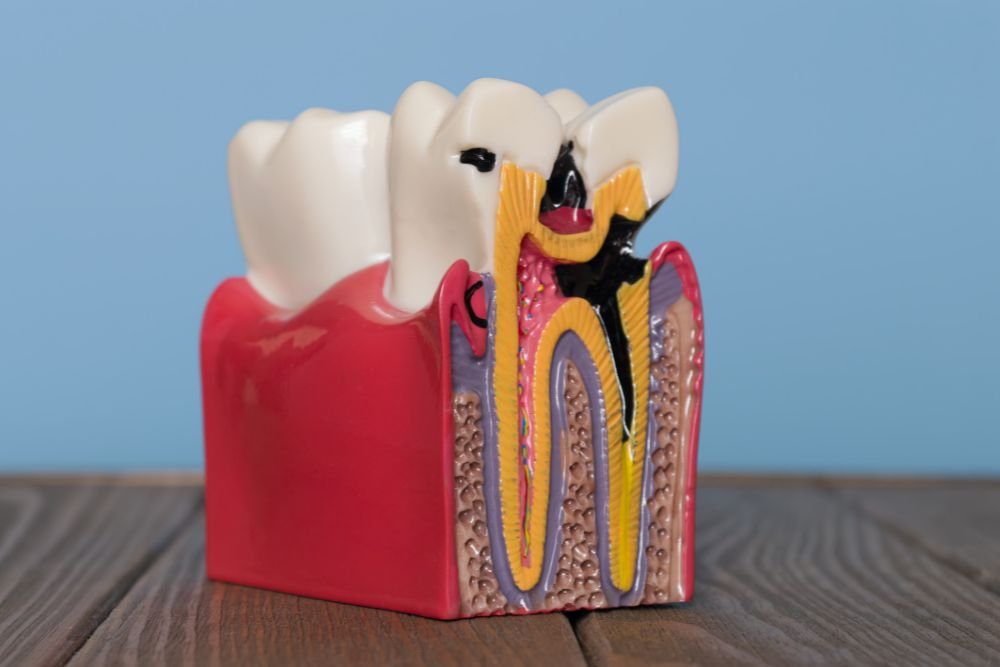
Just beneath the enamel lies the dentin. This layer makes up the bulk of the tooth’s structure. It is less dense than enamel and contains millions of microscopic pathways called dentinal tubules. Dentin acts as a shock absorber for your teeth, but if your enamel wears away and exposes the dentin, temperatures from hot, cold, or sweet foods travel down those tubules, triggering tooth sensitivity.
The Pulp: The Heart of the Tooth
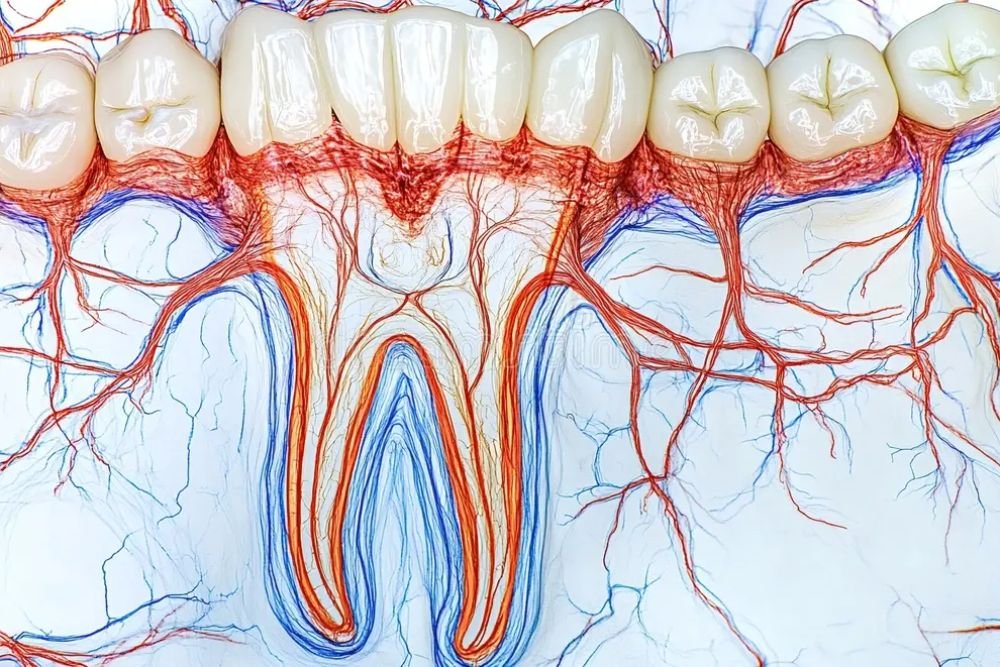
At the very center of the tooth is the pulp. This is the living “heart” of the tooth, packed with nerves, blood vessels, and connective tissue. The pulp supplies nutrients to the tooth during its growth. If decay penetrates through the enamel and dentin to reach the pulp, it causes irritation and infection—which is typically when you start to feel a persistent, throbbing toothache.
Protect Every Layer
From the tough outer enamel to the sensitive inner pulp, every layer of your tooth needs targeted protection.
Want to check on the health of your smile’s enamel? Schedule a routine exam and clean at All Smiles Dental Studio today!